
Technical Specifications
| Item | Parameter |
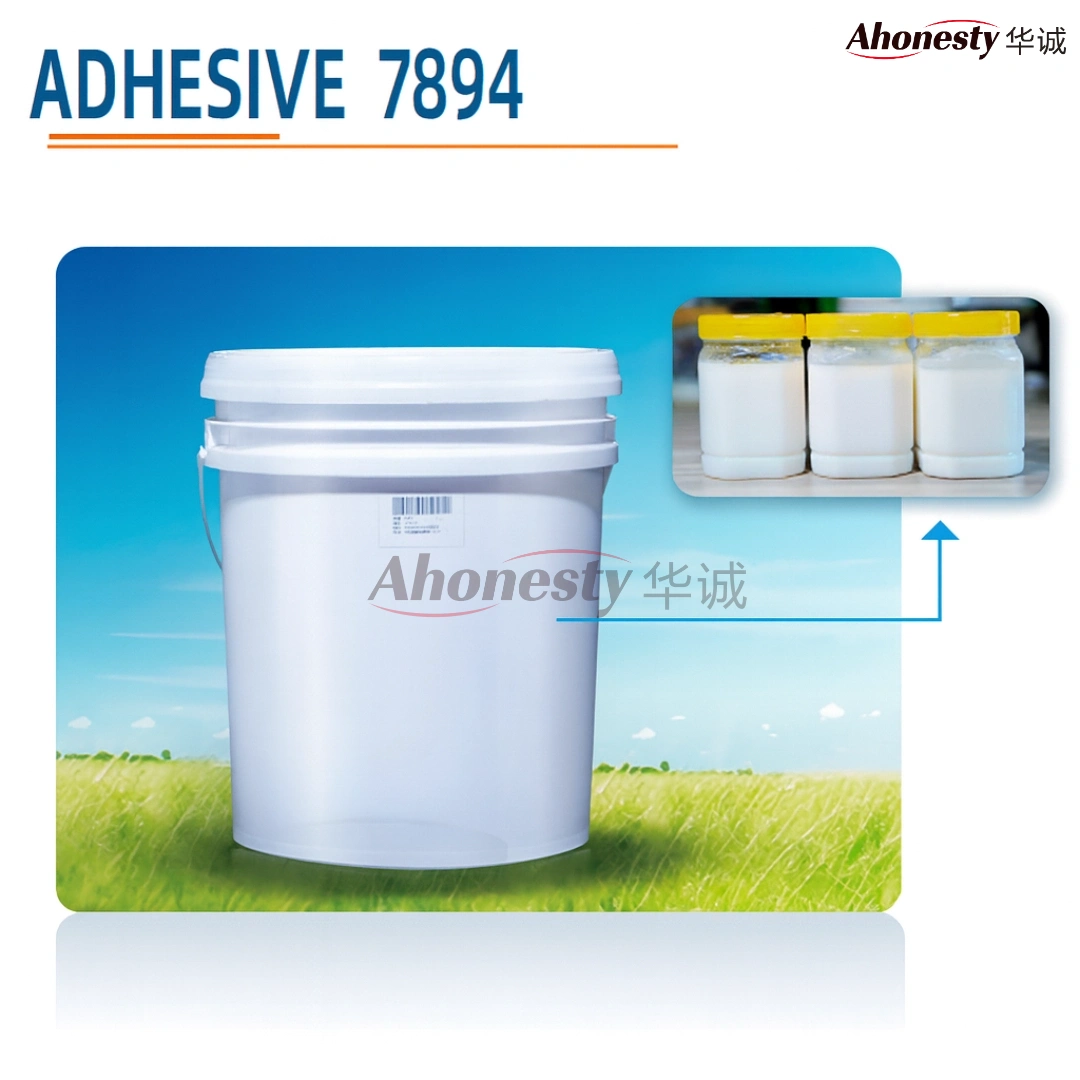
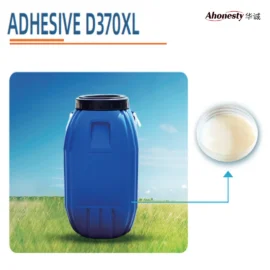
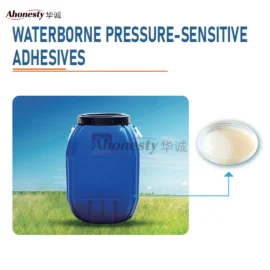
| Appearance | Pale yellowish-white liquid |
| Viscosity | ≥ 10,000 cPa·s |
| pH Value | 5–7 |
| Solid Content | — |
| Peel Strength | Higher than the fiber tear strength of paper |
| Shelf Life | 0℃–40℃, six months |
| Packaging | 20KG plastic drum |
Application Process
- Do not dilute with water, add other substances, or mix with other adhesives during use, to ensure stable bonding performance.
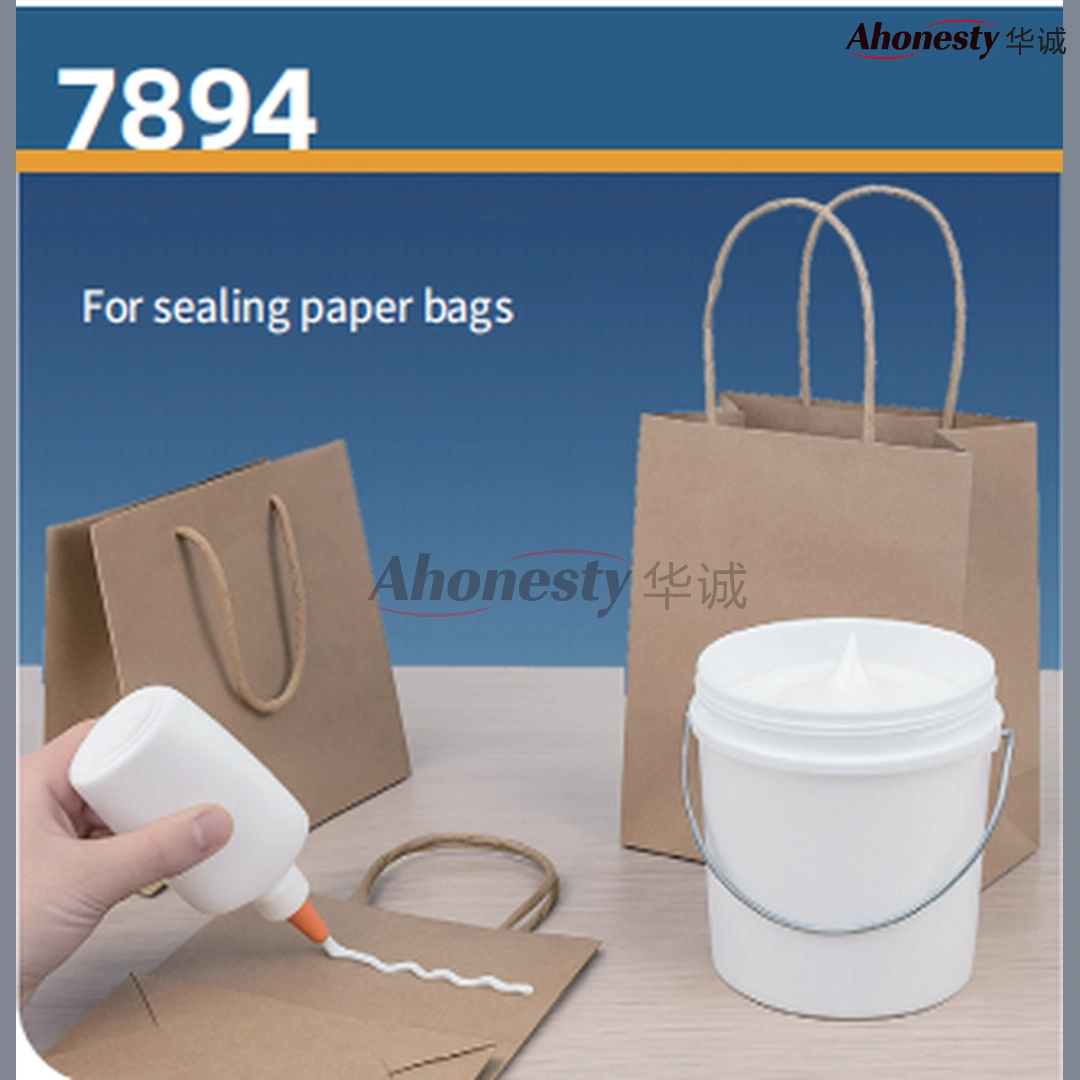
2. When applying, control an appropriate coating thickness. Avoid overly thin layers to ensure reliable adhesion.
3. For manual sealing, press the glued surfaces together immediately after application. If temporary placement is needed, ensure the adhesive layer remains wet and complete pressing before it fully dries.
4. For plastic-to-plastic sealing, it is recommended to apply a slightly thicker layer of adhesive and press when the glue is about 70–80% dry for best results.
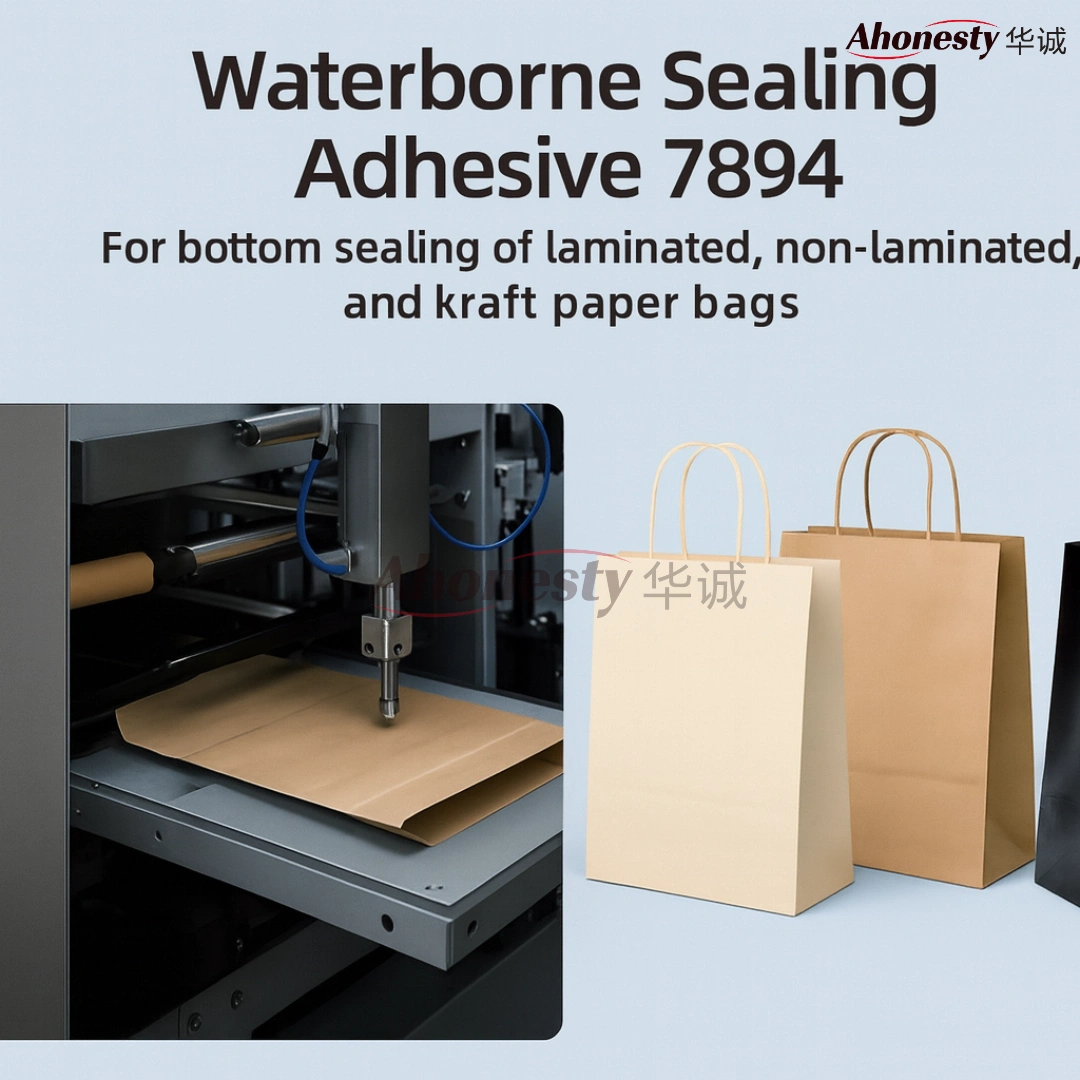
5. For mechanical sealing, adjust according to the machine running speed. After the product exits the pressing roller, check bonding and curing conditions.
6. If any openings occur, adjust the machine speed, apply additional pressure, or switch to a faster-drying adhesive.
Precautions
- After sealing, check the bonding condition within 24 hours. If the bond reaches fiber tear of the paper substrate, it indicates strong and stable adhesion with long-term reliability. If it does not meet this standard, review the operating procedure and evaluate whether the adhesive is compatible with the current process. Suspend use of the product until the issue is resolved.For laminated or UV-varnished cartons, verify in advance the adhesion strength between the varnish layer and the printing surface, to avoid delamination at the varnish layer, which would affect bonding performance.3. Before mass production, conduct small-scale trial tests under the same conditions. If production is carried out without prior testing and problems occur, the company will not be responsible.
Reviews
There are no reviews yet.