
Across global cities, the role of surface engineering is being redefined. Public agencies, schools, and contractors are moving beyond traditional material selection—they are navigating risk, responsibility, user experience, and lifecycle economics.
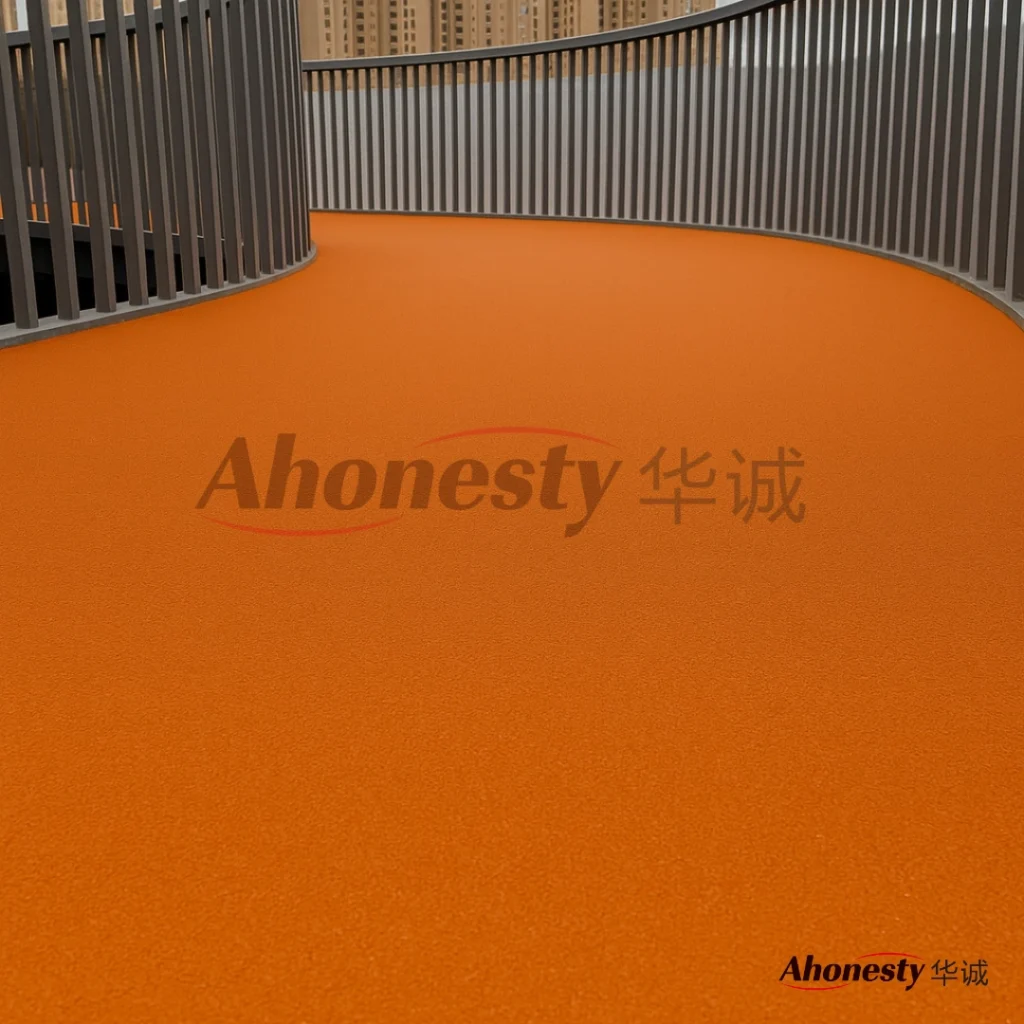
Two recent anti-skid surface projects—one on an elevated pedestrian ramp, another on a school activity ground—provide clear insight into the shifting expectations of modern decision-makers. Their concerns are not isolated technical issues; they reflect broader systemic pressures shaping the future of urban and public-space engineering.
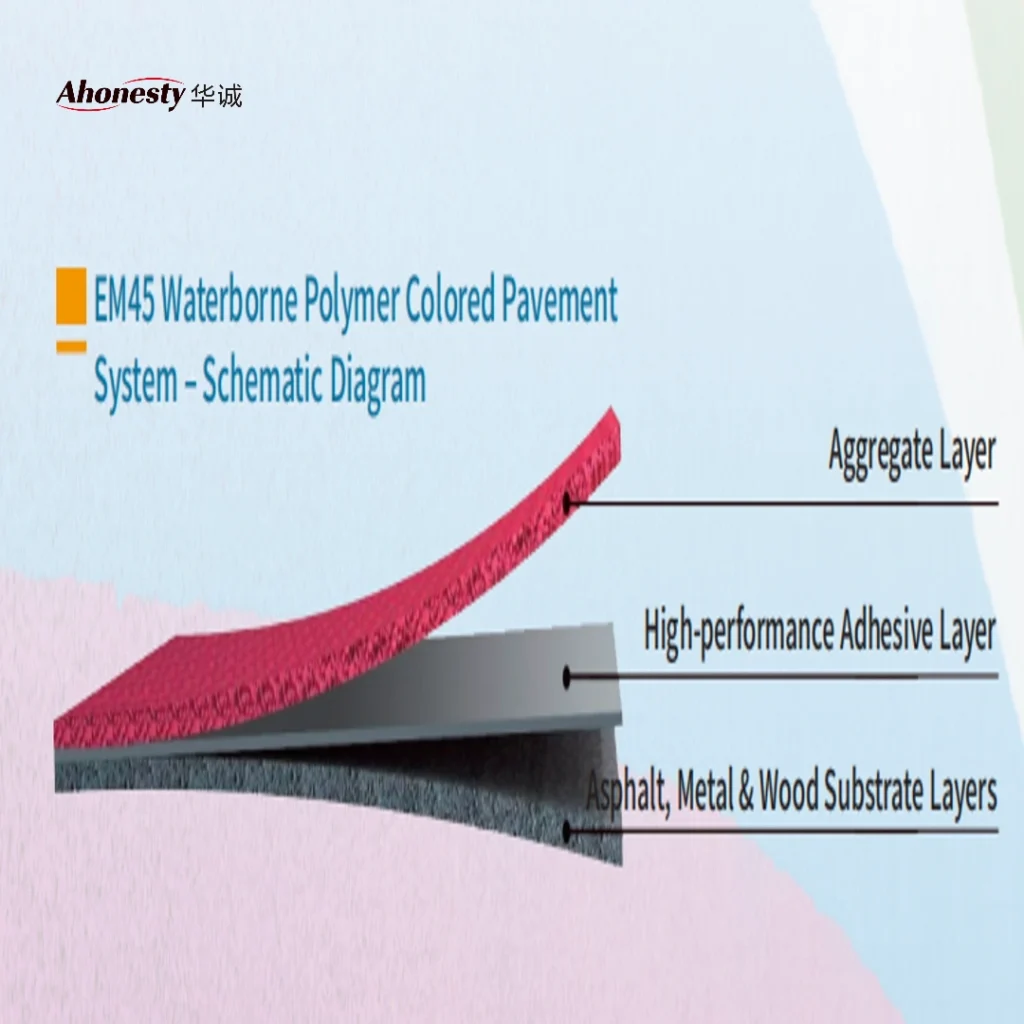
1. Why Decision-Makers Now View Anti-Skid Surfaces as a Risk-Management Tool
When discussing pedestrian ramps, the first questions from clients rarely involve materials. Instead, they ask:
·What happens when the surface becomes wet?
·Will friction remain stable after years of use?
·How do we justify our safety decisions if an incident occurs?
These questions highlight a global transition:
public surfaces are moving from craftsmanship-based construction to specification-driven safety systems.
Cities and institutions increasingly prefer materials that offer:
·measurable, repeatable performance
·engineered roughness instead of improvised texture
·predictable behavior across climates, seasons, and high-traffic usage
This shift indicates a new priority in infrastructure design:
predictability is becoming equally important as performance.
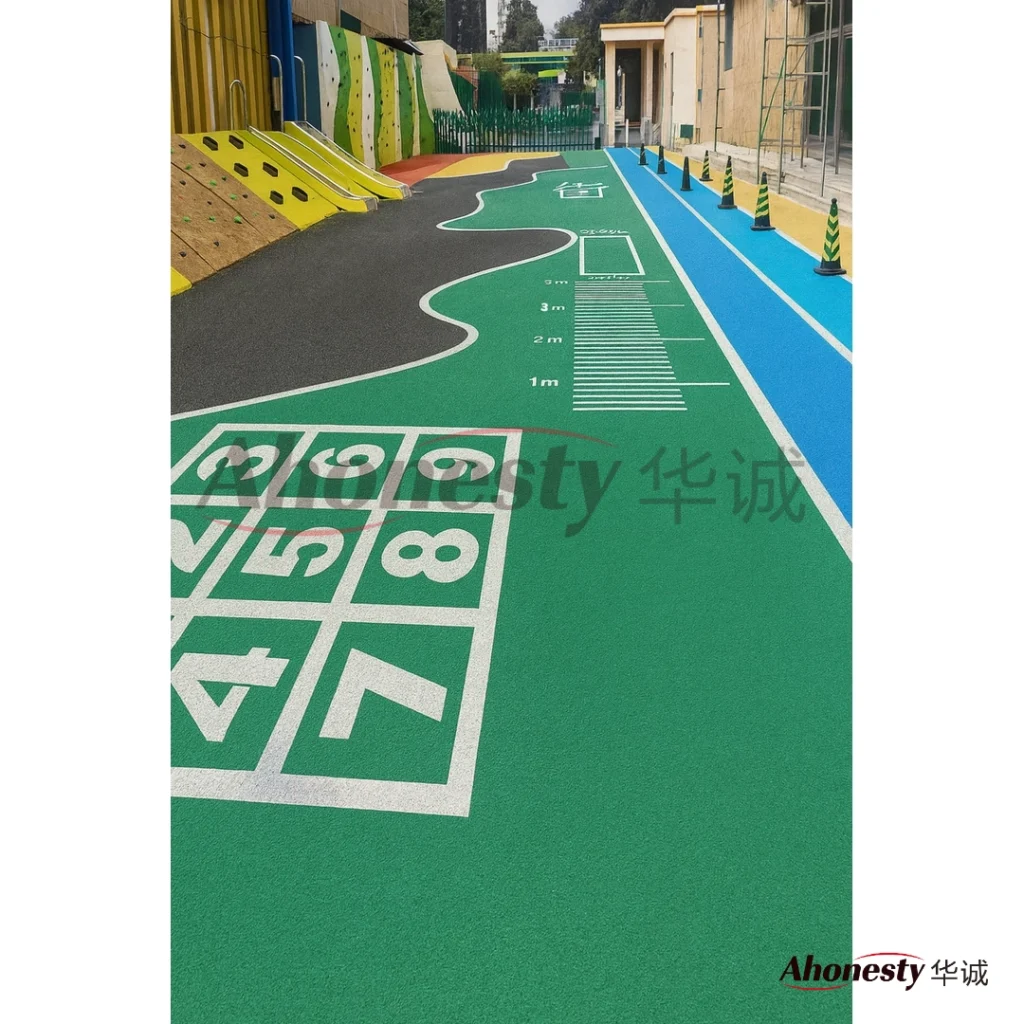
2. Lessons from Schools: Maintenance, Trust, and Lifecycle Stability
Schools view surface systems through a different—but equally demanding—lens. Playgrounds and activity surfaces are under constant public observation, and even small failures can create governance and reputation challenges.
Their real questions reveal deeper pressures:
·How do we avoid rapid fading under strong UV exposure?
·Who is responsible for recurring maintenance?
·How do we maintain safety during both use and installation?
What seems like a discussion about color or texture is actually about:
• Lifecycle Budget Management
Every repainting triggers procurement cycles, interruptions, and additional risk.
• Reputation and Trust
Parents associate visible deterioration with negligence—even when functionally the surface remains safe.
• Operational Continuity
Early failure becomes more than an aesthetic problem; it disrupts school operations and increases long-term expenditure.
Schools, like cities, are sending a clear message:
“Give us a system that reduces uncertainty—not just a surface that looks good on day one.”
3. The Three Universal Pressures Shaping Modern Public-Space Surface Projects
Across our global observations, three consistent drivers are influencing how cities and institutions choose anti-skid systems.
① Reliability Over Raw Performance
Decision-makers want solutions that:
·perform consistently across different contractors
·degrade gradually rather than failing abruptly
·reduce dependency on highly skilled craftsmanship
In short, they want integrated systems, not standalone products.
② Lifecycle Economics Over Initial Cost
The industry is shifting from price-driven decision-making to total cost of ownership.
Hidden costs of early failure include:
·facility downtime
·repeated maintenance cycles
·increased risk exposure
·reputational damage
A surface that lasts seven years often costs less than a surface that lasts two years.
③ Construction Simplicity as a Strategic Requirement
Global labor shortages are reshaping construction choices.
Systems that are:
·easy to teach
·less sensitive to technique variability
·suitable for general contractors rather than niche specialists
…are becoming the preferred path to risk reduction.
4. The Material System Was Not “the Answer”—It Was a Case Study in Problem Mapping
In both projects, a polymer–inorganic hybrid, waterborne anti-skid system was used.
But the importance of the material lies not in its features—it lies in how those features addressed real client pressures.
·Adjustable roughness → engineered, consistent safety performance
·Structural coloration → reduced long-term maintenance anxiety
·Weather resistance → stabilized lifecycle costs
·Simple trowel application → reduced labor-related risk
This is where material engineering proves its value:
not through technical claims, but through the problems it silently eliminates.
5. Future Trends in Public-Space Surface Engineering
Based on ongoing discussions with cities, schools, and contractors, several global trends are becoming more pronounced.
1) Data-Backed Performance Requirements
Future tenders will increasingly demand measurable specifications:
·friction levels (BPN)
·UV resistance thresholds
·predictable maintenance intervals
2) Integrated System Thinking
Projects will shift from selecting materials to adopting full surface-system models, including application processes and lifecycle plans.
3) Human-Centric Safety Design
Comfort and safety will be co-optimized through engineered surface textures and hybrid systems—eliminating the old trade-off between grip and walking comfort.
Conclusion: The Future Belongs to Those Who Reduce Uncertainty
These two projects highlight a fundamental truth:
The future of anti-skid and public-space materials is not determined by features, but by understanding pressures.
Public-sector clients must balance:
·safety obligations
·budget constraints
·operational continuity
·stakeholder expectations
·limited skilled labor resources
Anti-skid surfaces merely make these tensions visible.
The real opportunity lies in creating material systems that reduce uncertainty and positioning surface engineering as a strategic tool for building safer, more reliable cities.